Playing with Code(s)
Code can be approached as a conceptual framework. We could also consider here substituting the word code for conditions or instructions.
To make code is to make the conditions for something to be generated.
In this class, we'll be considering code in a literal sense, as computer code. However, the history of code in art has been informed by a long relationship between instructions, art, and games.
Rules as Code: Danish Clapping Game
Play in pairs
Instructions:
-
Face your partner and clap your thighs at the same time.
-
Choose an arm position randomly: Both arms up, both arms to the left, both arms to the right.
-
If you choose the same position, after you clap your thighs, clap your partners hands and repeat from the top If you choose different positions, repeat from the top.
Code and Art
Vera Molnar
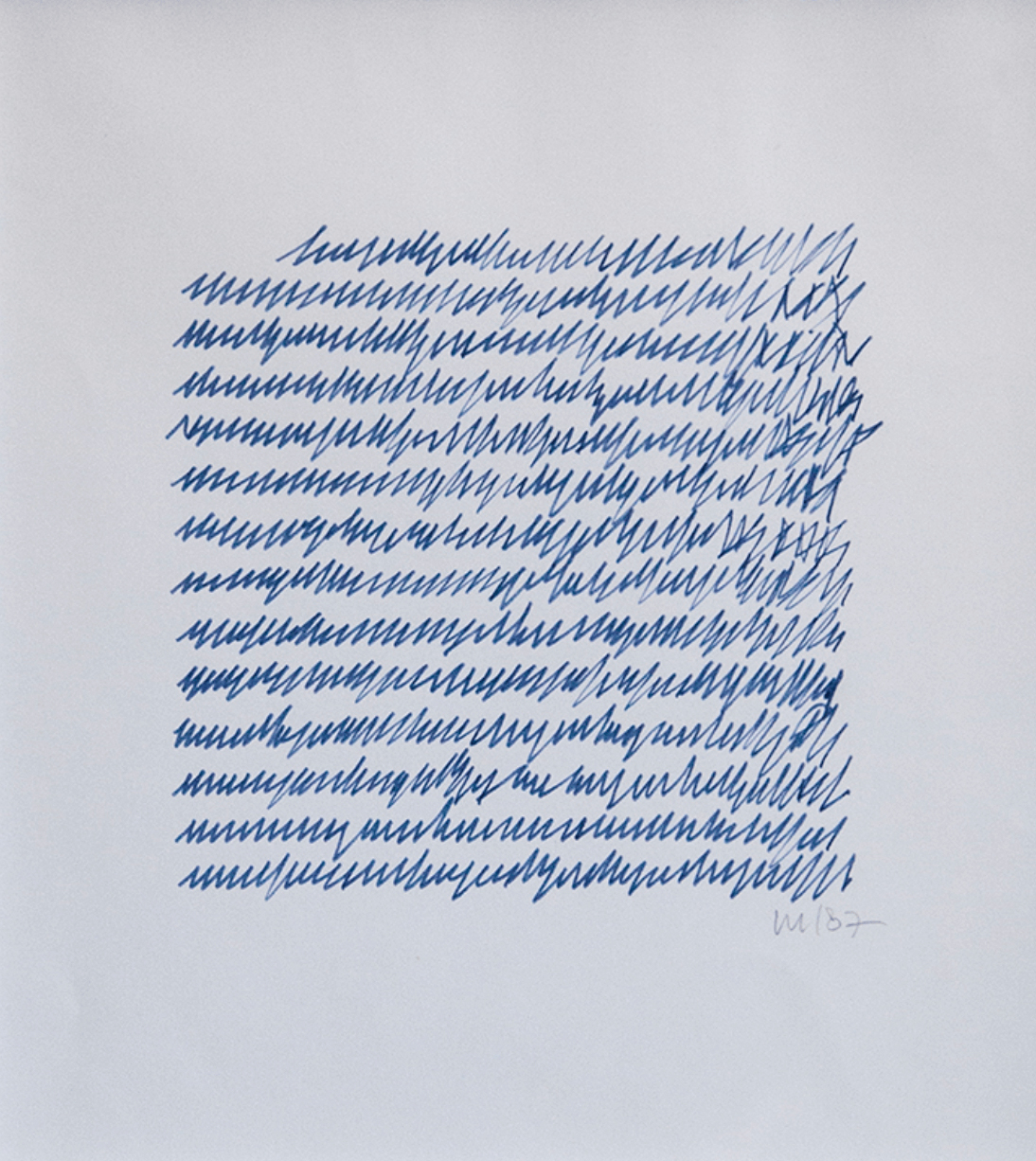
Loose Codes of Art
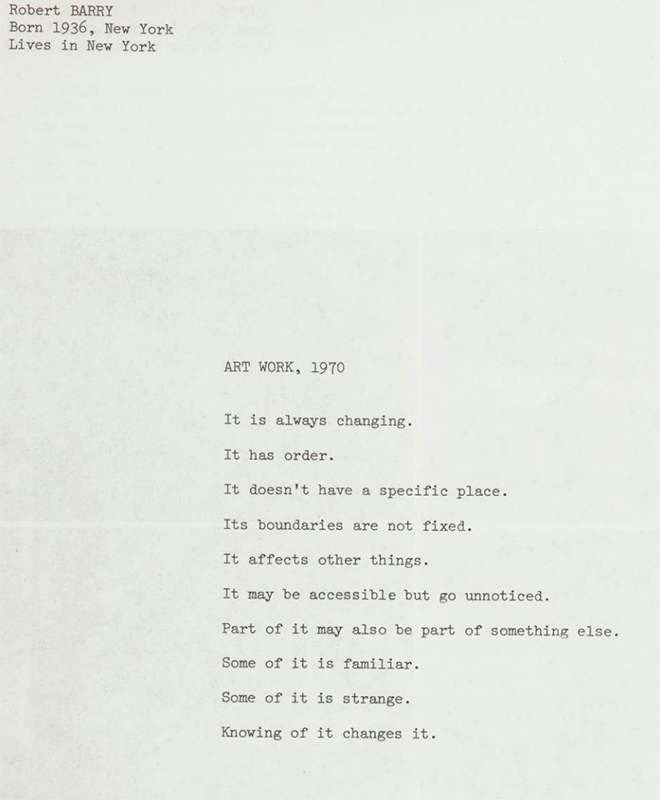
Robert Barry
Yoko Ono
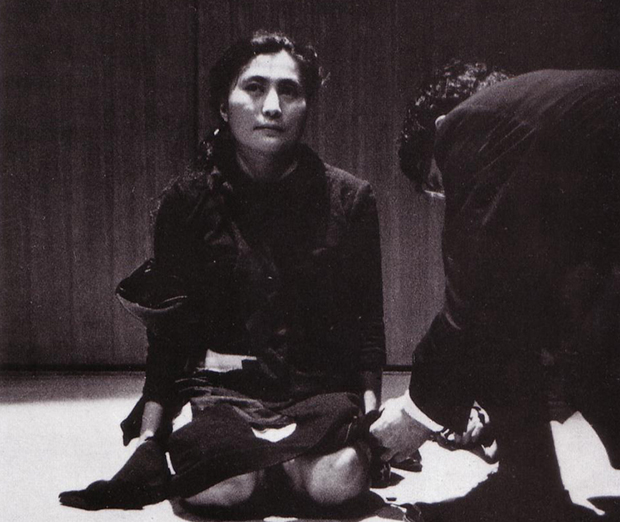
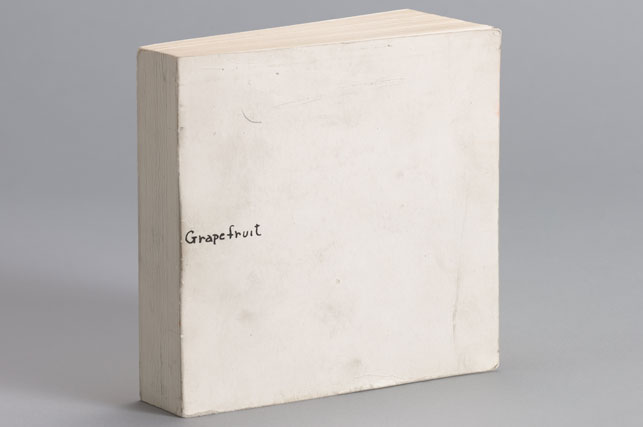
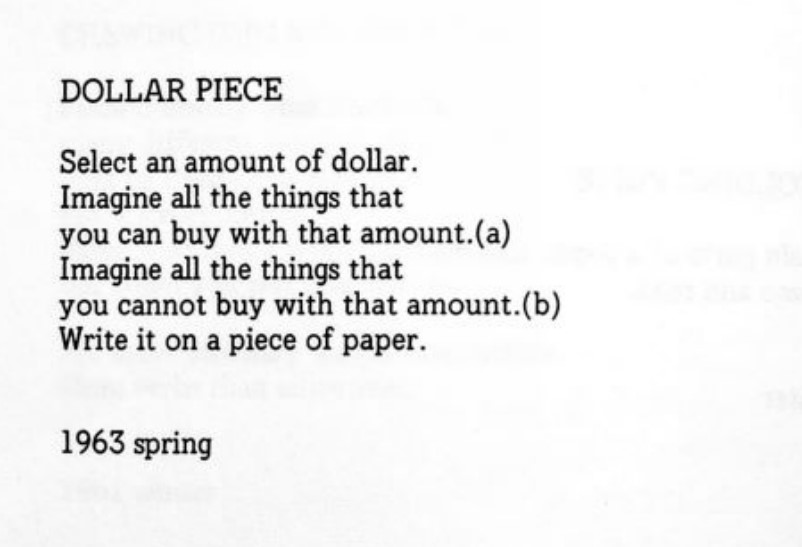
Instructions:
DOLLAR PIECE

Select an amount of dollar.
Imagine all the things that
you can buy with that amount.(a)
Imagine all the things that
you cannot buy with that amount.(b)
Write it on a piece of paper.


1963 spring
Strict Codes of Art
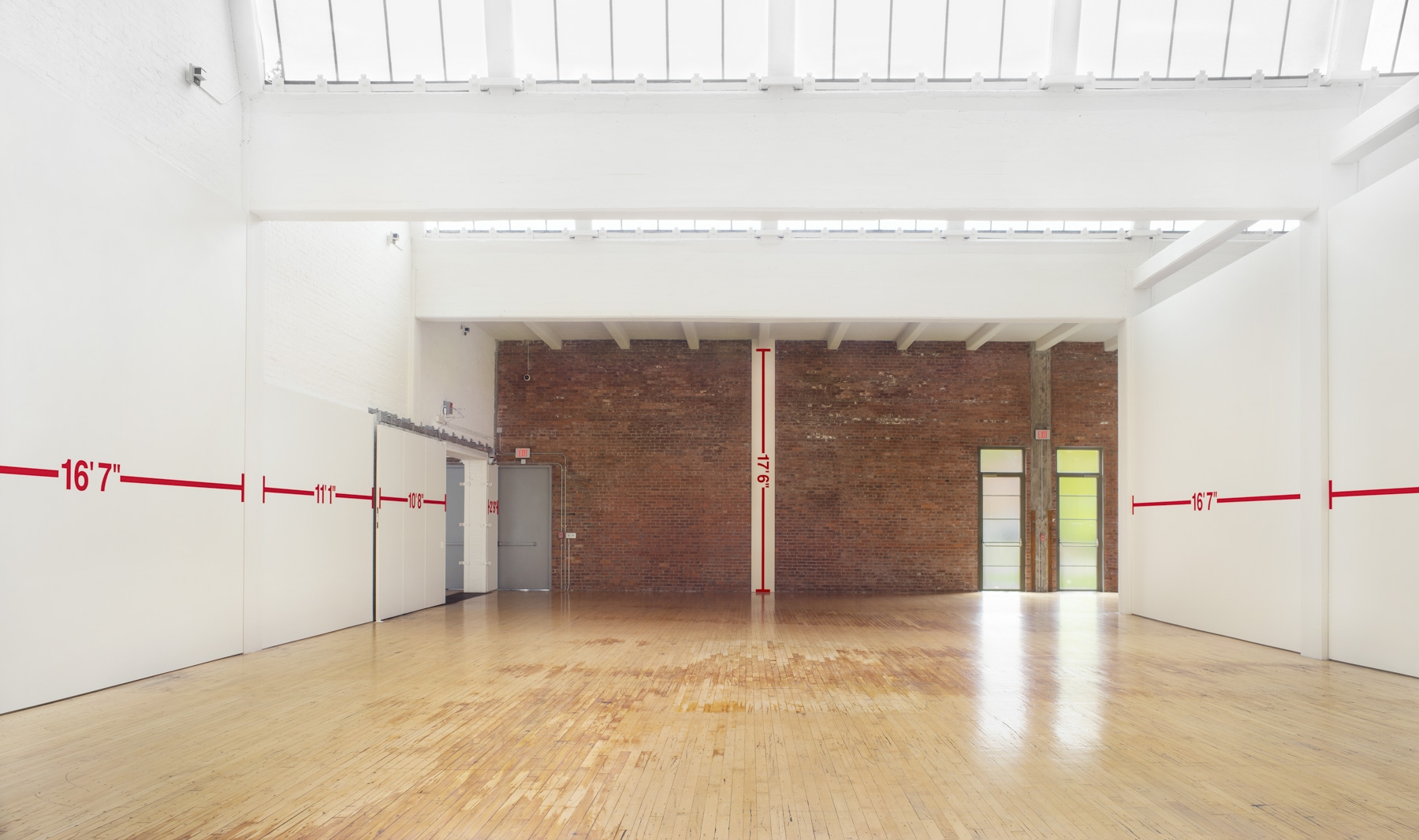
Mel Bochner
Sol LeWitt
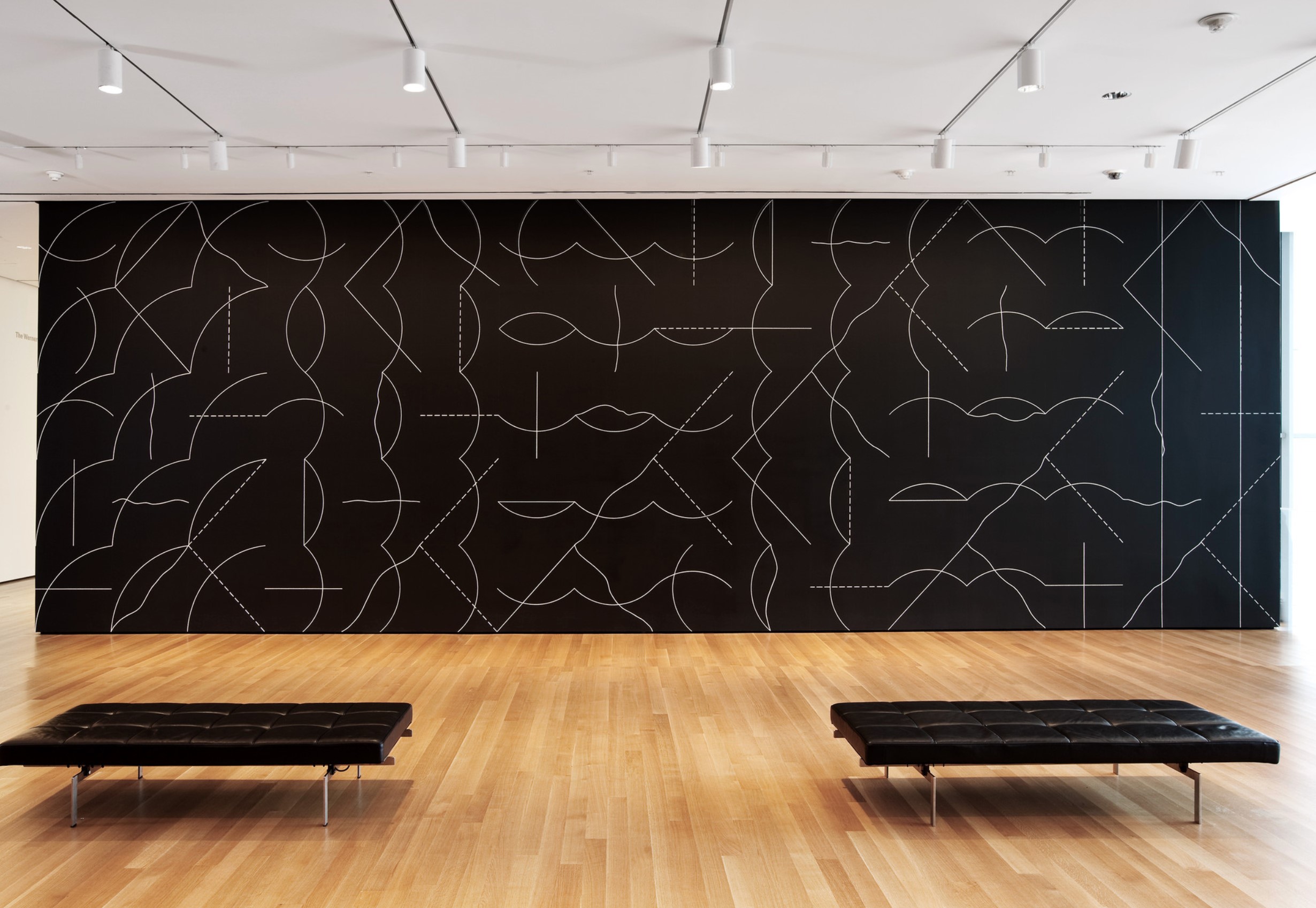
Wall Drawing #260 (1975)
Instructions:
“On black walls, all two-part combinations of white arcs from corners and sides, and white straight, not-straight, and broken lines.”
Wall Drawing #118. 1971
Instructions:
“On a wall surface, any continuous stretch of wall, using a hard pencil, place fifty points at random. The points should be evenly distributed over the area of the wall. All of the points should be connected by straight lines.”
Sol LeWitt: A Wall Drawing Retrospective - MASS MoCA
Modified version of #118 for paper:
On a pieces of paper, using a pencil,
pen, or other writing utensil,
place twenty points evenly distributed
over the area of one of the paper's sides.
All of the points should be connected
with straight lines.
Game Codes: Dots & Boxes
Instructions: